Who Was Woonaskochu?
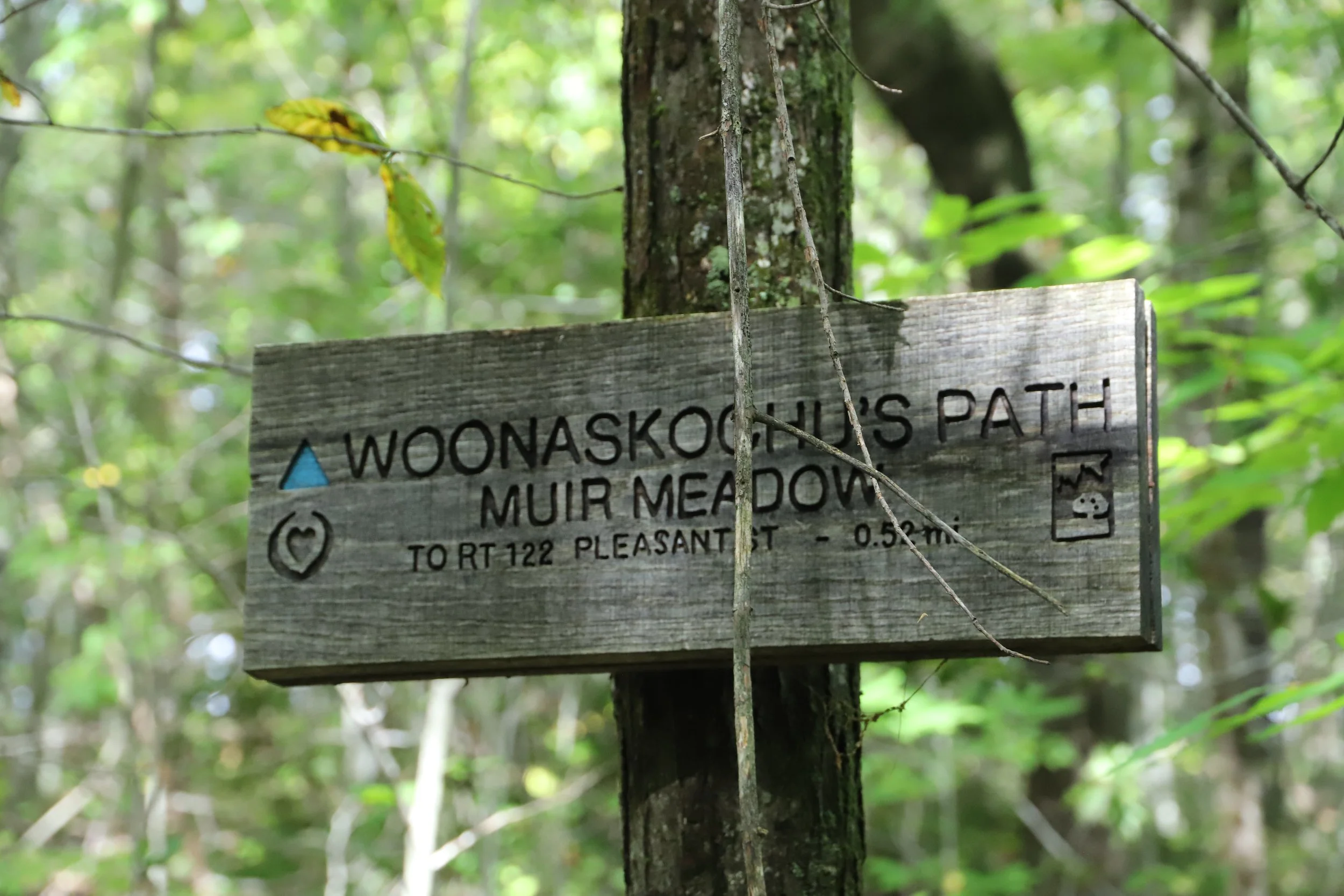
While hiking with a group on the Southwick Pond/Muir Meadow property in Paxton, we saw a sign most of us had seen before. But this time someone in the group thought to ask, “Who’s Woonaskochu?” It was time for me to put my master’s degree in history to good use!
In 1673, European colonists created a settlement in what would eventually become Worcester, Massachusetts. The colonists called it Quinsigamond Village, keeping a name that was their interpretation of the indigenous village that was there. The settlers, however, didn’t feel safe with just their settlement, and wanted a perimeter of land around them to protect them from the local people who they claimed were too powerful, numerous, and dangerous to contend with. They made an offer to several of the nearby villages, and on July 13, 1674, a deed was signed between the Native Americans and the European settlers of the future Worcester, which some sources claim was the first deed of its kind. This deed stated that in exchange for 8 square miles of the local tribes’ land, the English would give the “Pakachoge” and “Tataesitt” people twelve New England pounds, as well as two coats and four yards of cloth that were deemed worth 26 shillings. The sagamore from each of the two tribes signed the document, John/Hoorrawannonit from the Packachoag tribe and Solomon/Woonaskochu of the Tataesitt tribe. Local hikers might recognize “Tataesitt,” which is what Tetassett Ridge trail is named after. “Tatnuck” in Worcester is believed to be a settler version of that name as well. So Woonaskochu was the head of that local tribe that lived in the area of what became parts of Worcester and Holden Massachusetts. The process by which colonists came to aquire land from the Native Americans came to be known as “dispossession” in an attempt to differentiate it from a true purchase. There was no true choice in the matter for the Native Americans. This was the only peaceful solution at the time for many tribes around New England, until many of them banded together to rebel against the colonists in King Philip’s War.
When King Philip’s War broke out in 1675, Quinsigamond Village was burned to the ground by the Native Americans and was abandoned by the English settlers. While efforts were made from time to time to resettle, it wasn’t until 1713 that a permanent colony was able to take hold. The area was split into what was called North and South Worcester, and then became Holden and Worcester.
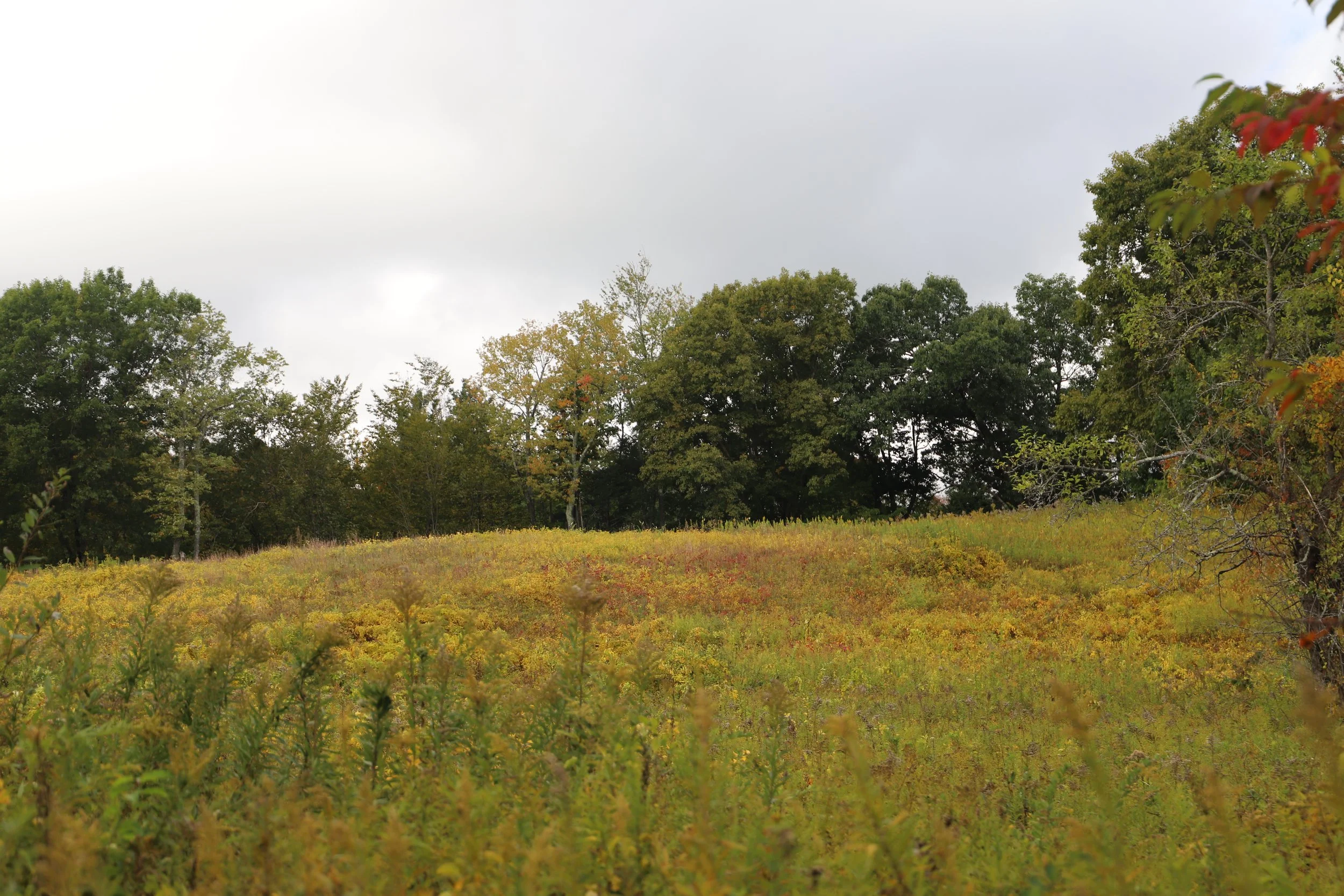
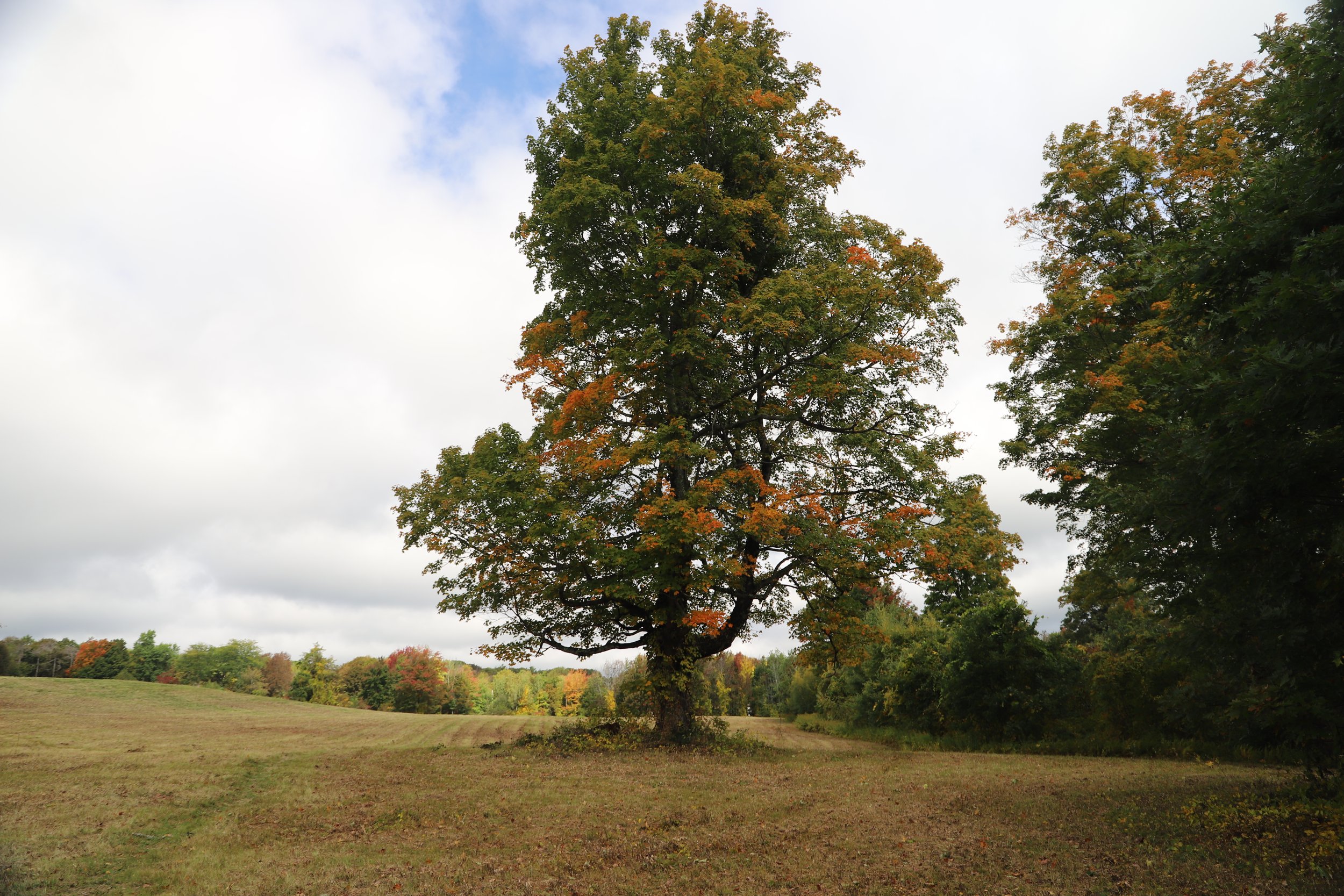
Now, Woonaskochu’s Path leads from the Southwick Pond conservation area to Muir Meadow, a wonderful meadow property that has a diverse ecology of plants, insects, and birds. It is a path named after a man who history has all but forgotten, a name that is on a single document in the registry of deeds.